Loneliness
Loneliness After a Major Life Transition
The loneliness that follows major life changes is structural, not emotional, and it has a fix.
Priya Mehta-Solomon
· 11 min read
The loneliness that follows major life changes is structural, not emotional, and it has a fix.
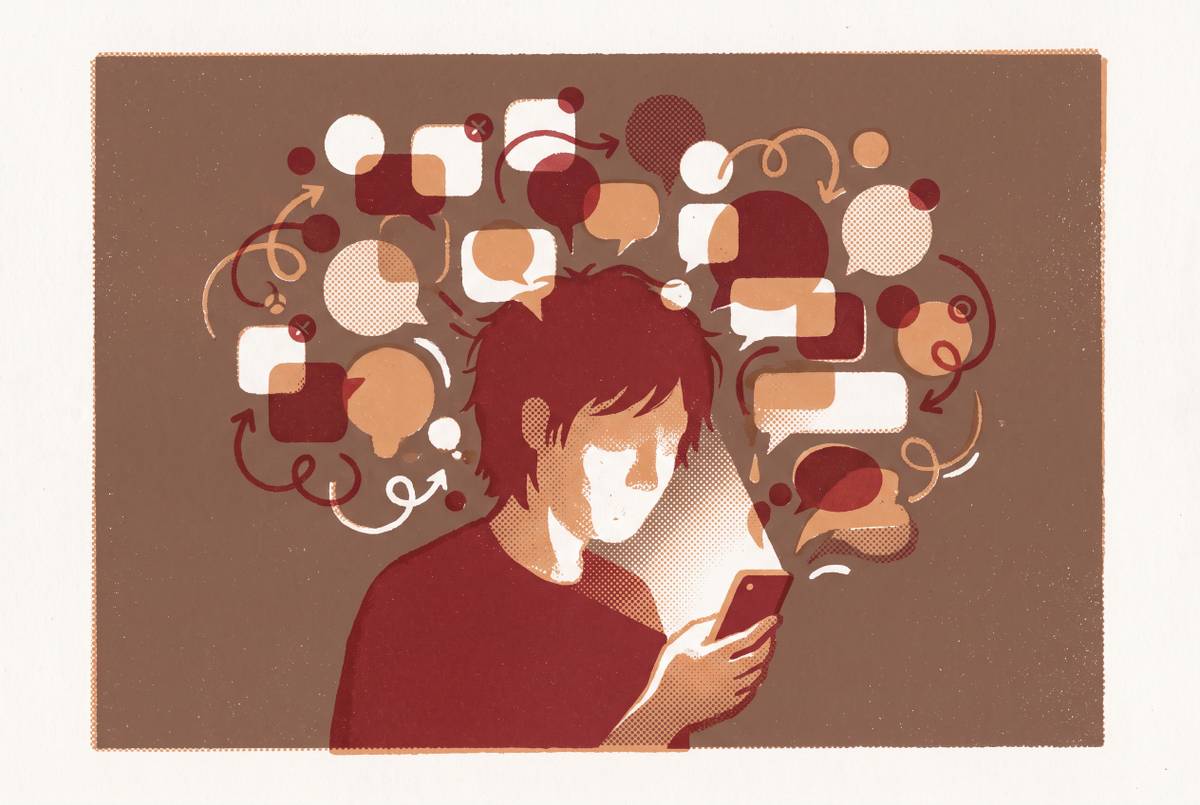
Constant digital stimulus rewires how young brains practice attention and solitude.
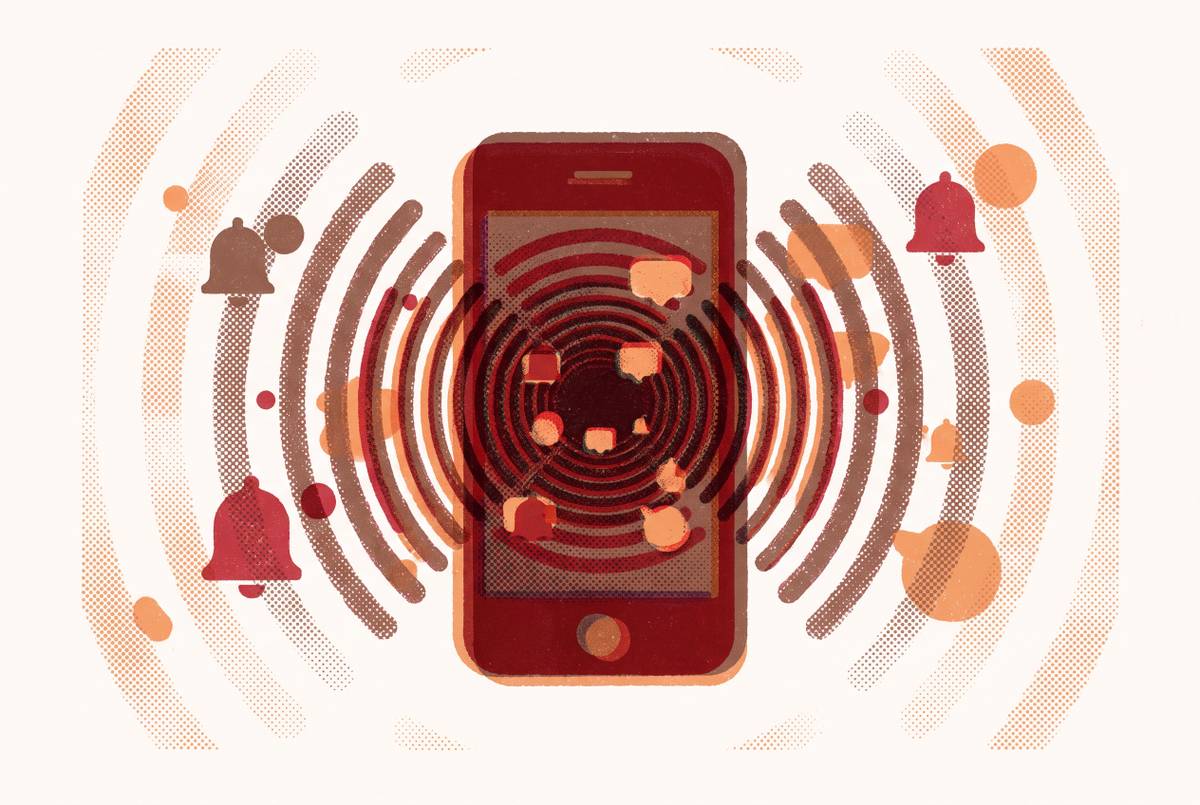
Frequent notifications harm focus more than total screen time, and design can fix it.
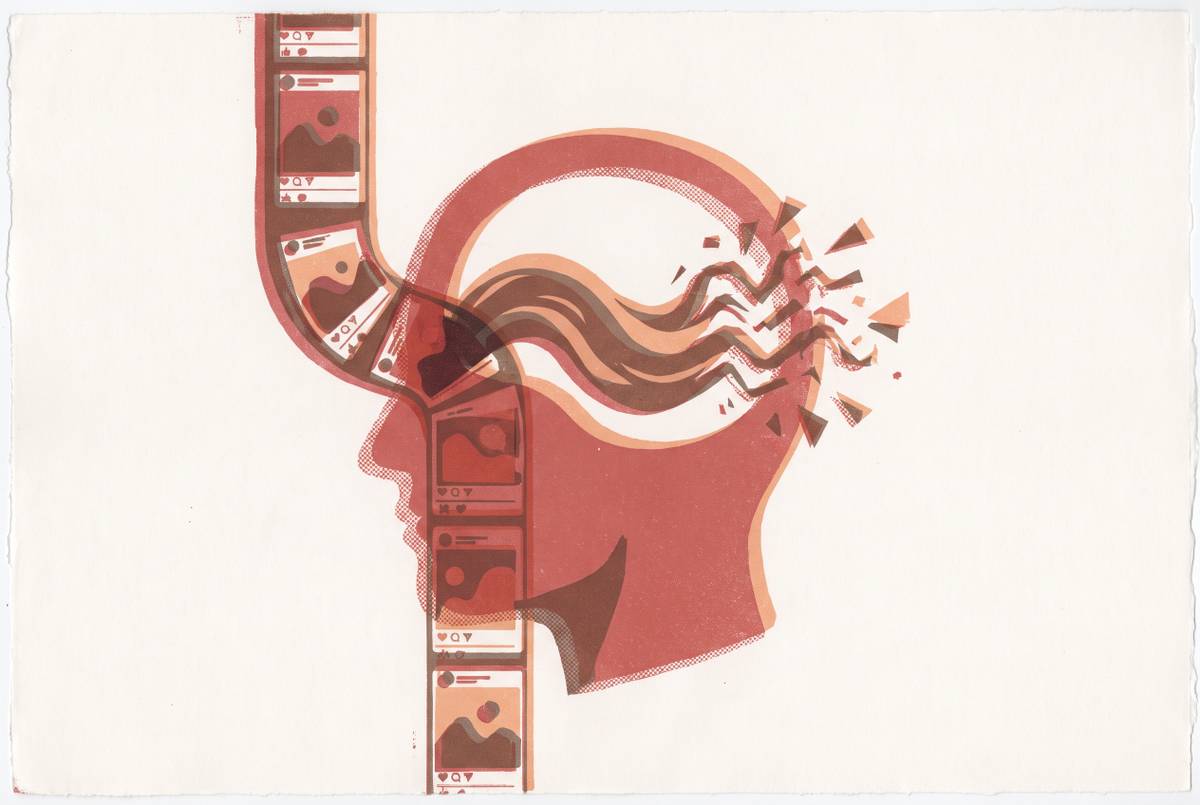
Algorithmic feeds hijack dopamine pathways and erode emotional control.
Two identity statuses look the same from outside but run on entirely different engines.
Writing forces the identity work that speed and positivity shortcuts skip.
Moment-to-moment competition for attention structurally favors shallow content over deep reading.
Handwriting activates more brain regions than typing, but only if you actually use it.
These one-sided bonds feel real but rarely cure the loneliness they're meant to treat.
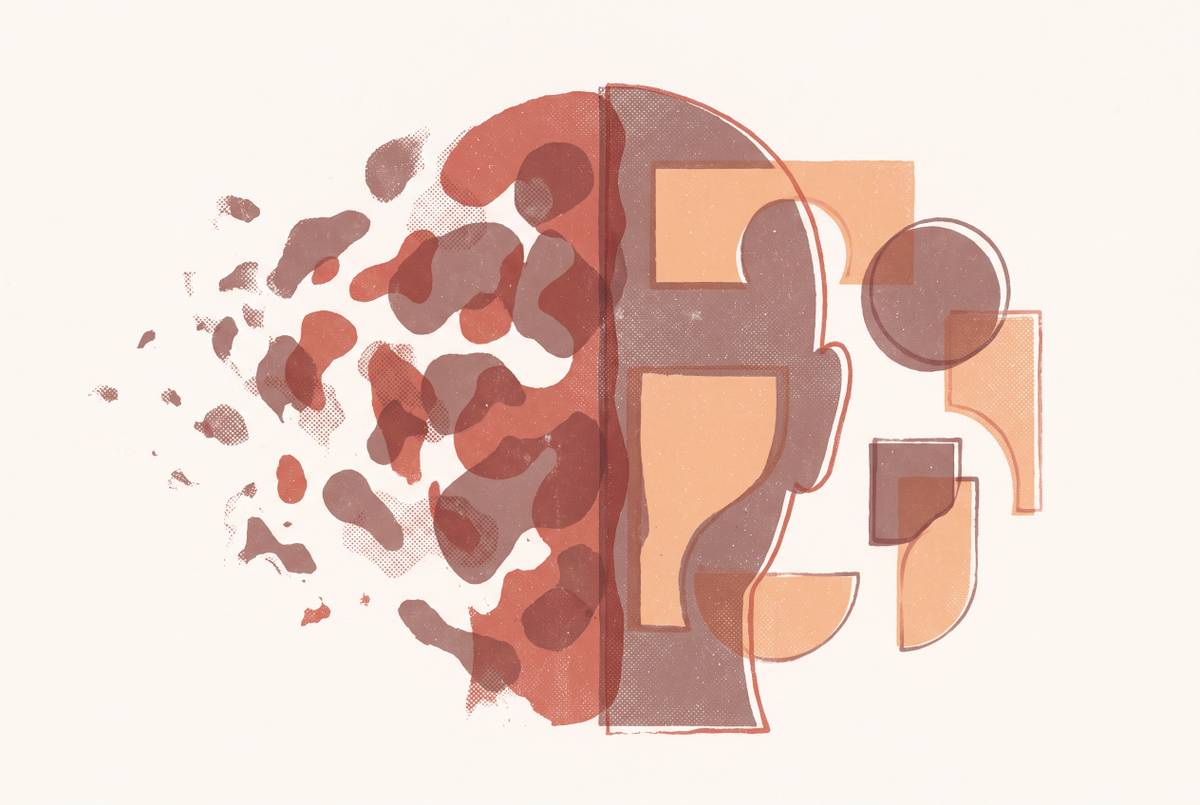
Constant audience awareness gradually suppresses your internal sense of self.
People construct identity as an ongoing story, not by discovering a fixed inner self.
Audiences can sense when emotional disclosure crosses from genuine to performative.