Performative Vulnerability on Social Media
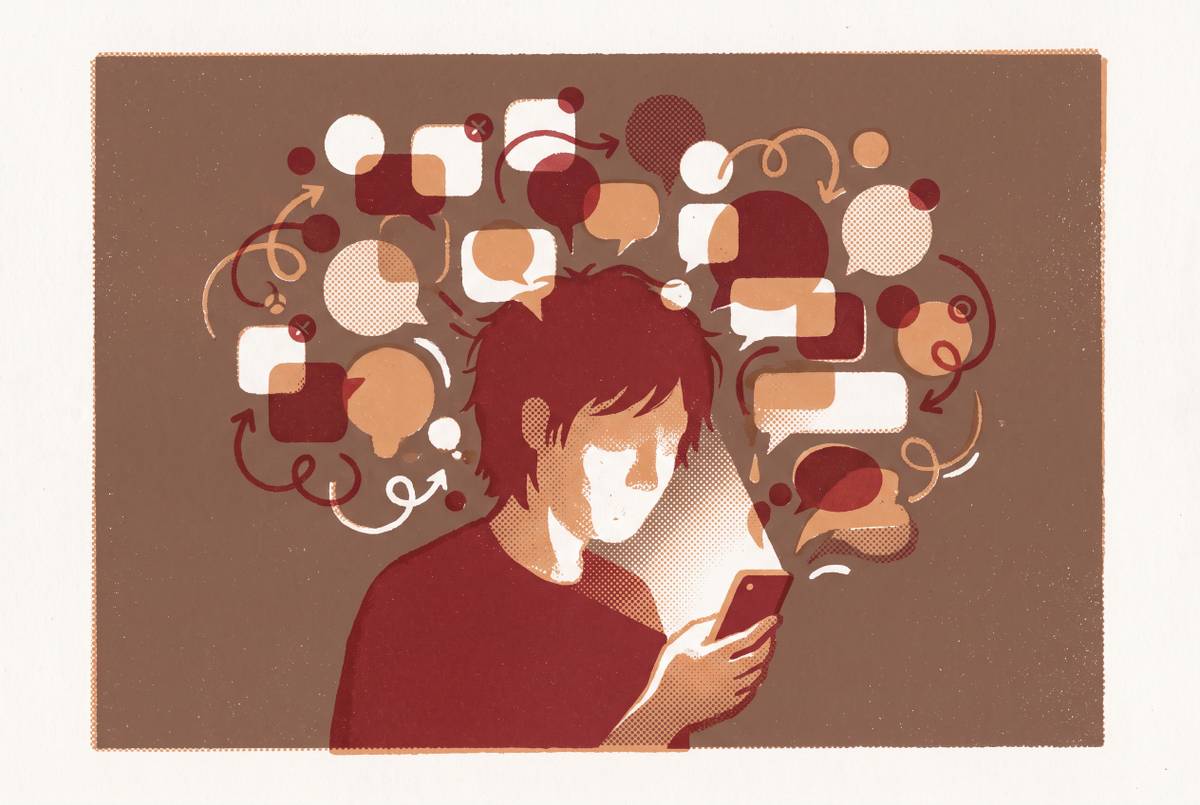
Audiences can sense when emotional disclosure crosses from genuine to performative.
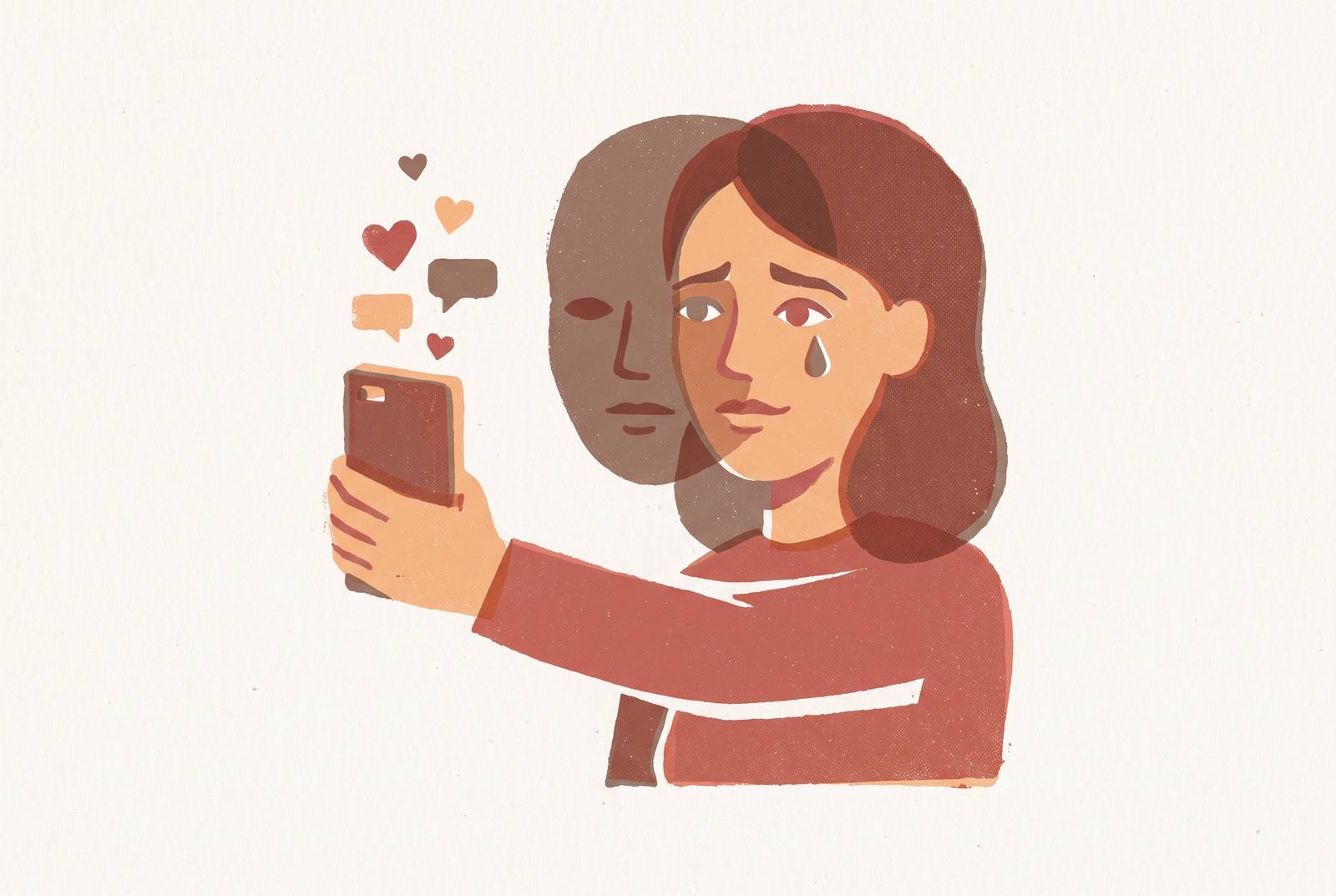
Performative vulnerability is the strategic or semi-conscious act of disclosing emotional pain online to produce a social outcome, engagement, follower growth, sympathy, or commercial gain, rather than to work through genuine distress. That single distinction, between disclosure aimed at an audience and disclosure aimed at processing, is the hinge everything else in this piece turns on.
Three terms tend to get used interchangeably in casual conversation, and keeping them separate matters. Sadfishing describes exaggerating a problem specifically to fish for sympathy or attention. Performative vulnerability is the wider category, the general practice of disclosing distress because it produces social reward. Vulnerability porn sits on the other side of the screen entirely: it names the audience's fascination with consuming this kind of content, not the poster's motive for creating it. This piece is concerned mainly with the poster, so vulnerability porn gets a definition and then steps aside. What matters for the argument ahead is not whether someone's pain is real (it usually is) but whether the act of sharing it is oriented toward processing that pain or toward harvesting a reaction to it.
Audiences, it turns out, can sense the difference, or at least sense when a line has been crossed. Lew and Looi, in Computers in Human Behavior, found that pairing a disclosure of past vulnerability with a display of current success increased how authentic a person seemed, but only when the vulnerability described was mild. Disclose something more severe, and the same audiences rated the discloser as less competent, not more relatable. That finding does a lot of quiet work here. It suggests the audience is not a passive sponge for emotional content; it is running its own, informal calibration of how much openness reads as trustworthy and how much reads as too much. The rest of this piece asks a related but separate question: even when the audience rewards the disclosure, what does the disclosure actually do for the person making it?
Why platforms structurally reward emotional rawness
Platforms reward emotional content because emotional content drives the exact metrics they are built to optimize: watch time, shares, comments. Whether the emotion behind a post is genuine or manufactured is invisible to the system doing the rewarding, which means authenticity on these platforms functions less like a fixed property of a post and more like a negotiable performance that succeeds or fails depending on execution.
Yılmaz's 2026 analysis of the digital public sphere in Frontiers in Psychology describes an environment shaped by humor, spectacle, and algorithmic visibility, one that looks participatory on the surface but runs on the underlying logic of attention. An algorithm cannot read a diary entry for sincerity. It can only measure whether people stopped scrolling, and raw emotional content is remarkably good at making people stop scrolling, regardless of what produced it. So the algorithm rewards genuine distress and performed distress with the same currency, because it has no mechanism for telling them apart.
Cultural pressure adds a second layer on top of the algorithmic one. There is a documented public appetite for figures, famous or not, to be more open and vulnerable online, and that appetite translates into material benefit for the people who supply it. This is not a marginal economy. Influencer marketing has grown into a multi-billion-dollar market as of 2025, and vulnerability content makes up a significant share of what drives that spending. Put those two forces together, the algorithm and the culture, and posting through pain stops looking like a personality quirk and starts looking like a rational strategy. The platform rewards it, the audience validates it, and the money follows both. A person disclosing distress online in this environment may not be acting cynically but responding sensibly to incentives that happen to have nothing to do with whether the disclosure helps them feel better.
Unmet emotional needs turn platform strategy into compulsive oversharing
None of that explains why a specific person, on a specific night, posts something they will regret by morning. The incentives set the stage, but something inside the person has to want to walk onto it, and that something is usually not calculation. It is need.
Dr. Sandeep Vohra of NWNT Ai frames oversharing as an attempt to gain validation, reduce loneliness, or test the strength of a social bond. The person hitting "post" at 2 a.m. is lonely and using the only tool within reach, not running a marketing campaign. They are lonely, and they are using the only tool within reach.
The trouble is that the tool has a way of making the underlying problem worse. Heavy social media use is linked to significantly higher loneliness, one of the strongest emotional triggers behind excessive disclosure, per the Global Digital Wellbeing Index. That sets up a genuinely cruel loop: the tool reached for to relieve loneliness is the same tool that deepens it. And the loop has a specific failure mode. When the responses to a disclosure turn out sparse, performative, or judgmental, the attempt to reduce loneliness backfires and increases it instead, because the reward being sought either never appears or appears in a form too thin to register as real connection.
A 2026 structural model study in Discover Mental Health found a positive relationship between social media use and psychological vulnerability: the more a person leans on these platforms to manage distress, the more susceptible to distress they become. Shabahang and colleagues, in 2024, traced a related pattern among young people specifically, finding that vulnerability curdles into oversharing under the combined pressure of anxiety, a hunger for validation, and the platforms' own addictive design. None of this describes a character flaw. It describes a feedback circuit, one where unmet needs meet a system built to reward exactly the behavior that will not meet them.
What performative vulnerability fails to do for the sharer
This is where the argument sharpens into its central claim. Whatever performative vulnerability is doing for the platforms, the advertisers, or the audience, the evidence says it fails at the one job the person sharing actually needed it to do: process the distress.
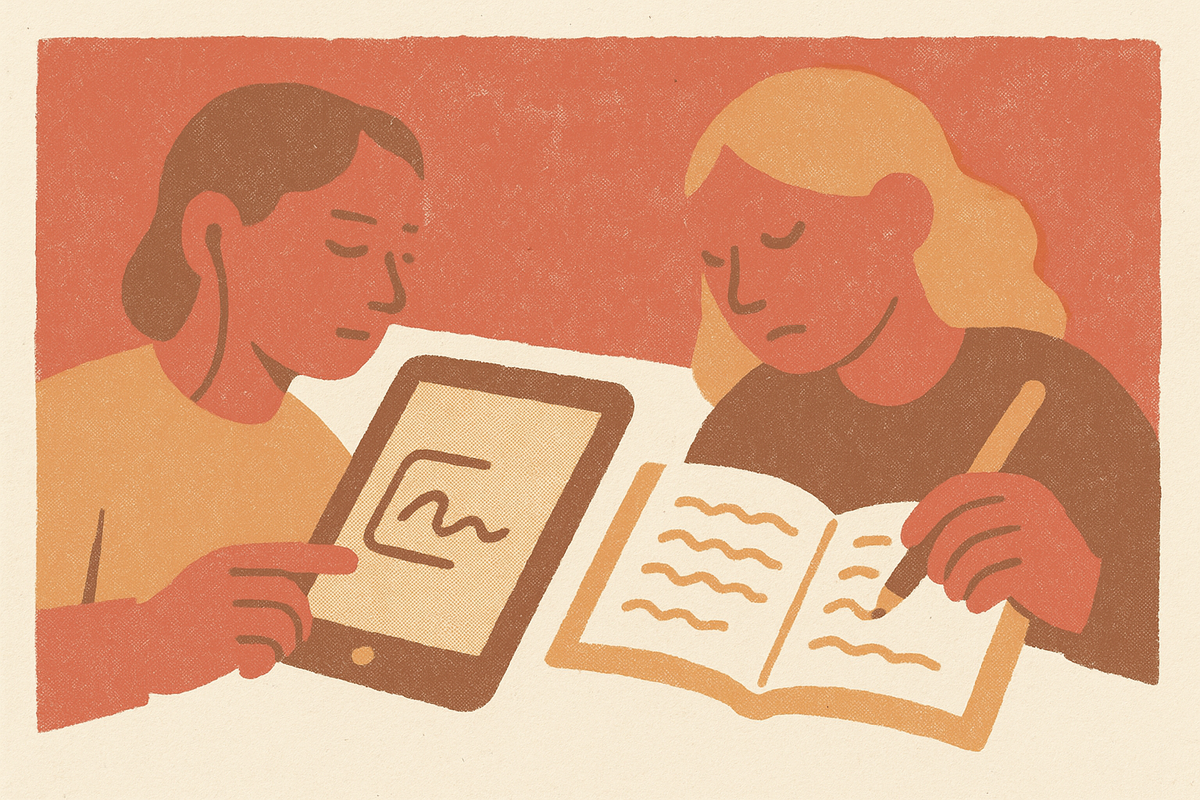
Writing or speaking specifically to externalize and restructure a thought engages the mind differently than composing something for an audience that is going to react to it. One activity is aimed inward, at the distress itself. The other is aimed outward, at the response the distress might generate. They can look identical from the outside, a paragraph typed into a phone, but they are not doing the same work.
The data on what actually happens to habitual disclosers backs this up on two fronts. A 2025 cross-sectional study of 1,046 adults in Turkey found that people with high digital addiction reported significantly lower levels of authenticity: the more someone leans on social media as an emotional outlet, the less able they become to access genuine self-expression. And the regret is not rare. A 2025 Digital Behaviour Trends Report found that close to two-thirds of Indians under 35 had experienced what it called post-sharing regret, with nearly half admitting to oversharing specifically during emotionally heightened moments. Those heightened moments are exactly when the need for real processing is greatest, and they are exactly when people are most likely to post something they wish they hadn't.
The practice erodes the very connection the person was trying to build in the first place, a cost that sits beneath the more obvious risks of privacy breaches and cyberbullying. Someone shares distress hoping to feel less alone in it, and the act of sharing it for effect, rather than working through it, can leave the loneliness intact while adding regret on top.
The strongest objection to this argument deserves its full weight before it gets answered. Vulnerability disclosure genuinely can signal trust, and it can make a communicator appear more authentic. Lew and Looi's 2026 finding on mild vulnerability disclosure confirms exactly that. So performative vulnerability does produce something real: more followers, more sympathy, a warmer public image. The response to that objection is not that the benefit is fake. Perceived authenticity, the thing an audience grants a poster, is a different outcome from actual emotional processing, the thing that happens inside a person's own mind when distress gets restructured rather than broadcast. Winning an audience's trust and metabolizing one's own pain are two separate transactions, and performative vulnerability, by its structure, is built to close the first one while leaving the second one open.
What performative vulnerability does to the audiences consuming it
The cost does not stop with the poster. Audiences on the receiving end of large volumes of emotional influencer content run into a parallel problem: they cannot reliably tell genuine disclosure apart from performance, and that inability degrades both their wellbeing and their judgment.
Young people now encounter a steady stream of mental health content from influencers, and it remains unclear whether engaging with it tracks with better psychological wellbeing, stronger mental health literacy, more self-diagnosis, or greater life satisfaction. Nobody, researchers included, currently has a clean answer for what all this content is doing to the people watching it.
A Washington Post investigation traced one case that shows how tangled the outcome can get. Amy Russell felt "seen" by mental health videos on TikTok, and that feeling reinforced an ADHD diagnosis after she sought a formal assessment, confirmed by a doctor, a genuinely life-changing outcome. But the algorithm that had surfaced those first, useful videos kept going, feeding her steadily stranger and less trustworthy content afterward, and disengaging did not appear to make it stop. The trap that followed was mechanical, built into the recommendation system rather than into anyone's intent.
Commercial incentives blur the picture further. When influencers promote services like Headspace or BetterHelp through personal, emotional storytelling, the line between a friend confiding and an advertisement becomes invisible to the person watching, per the Cyberpsychology study by Kaňková, Vranken, and Matthes. What reads as a testimony is, functionally, serving a corporate profit incentive. Researchers have described a related pattern of "platformized pathologies" on TikTok, where diagnostic-style content gets built to align with what the platform's visibility structures reward, drawing sponsorships while promising recovery through products that can be purchased and consumed digitally. The viewer thinks they are watching a confession. They are, in a meaningful sense, watching an advertisement wearing a confession's clothes.
Repeated exposure to this environment trains something in the audience over time. Yılmaz's research found that algorithmic visibility and platform design shape how people process public communication cognitively and emotionally, fostering habits of participation that can undermine the development of critical media literacy. In plain terms, people learn to judge content by how strongly it resonates emotionally rather than by whether it is true. Eventually, though, audiences do catch on, and the reckoning is not gentle. A 2026 study in Current Psychology by Shi, Zhang, Ding, and colleagues found that distress-centered illness narratives on TikTok increasingly draw accusations of sadfishing, triggering skepticism and a withdrawal of viewer support, while emotional positivity, not distress, is what actually drives viewers to want to help. The exact strategy built to earn sympathy is the one most likely to burn through it, and the fallout lands hardest on people whose distress happens to be genuine.
How AI-generated emotional content complicates the authentic-performative distinction
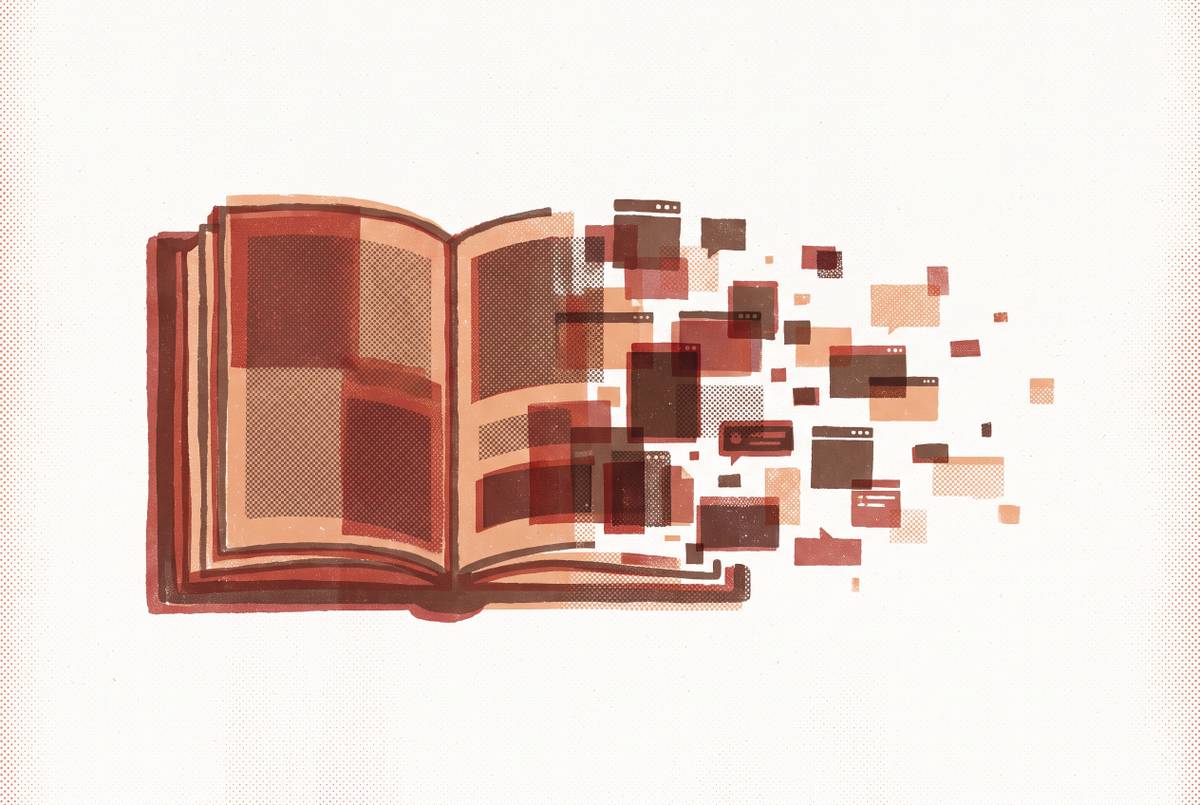
Everything above describes a fight between genuine and performed disclosure among human beings. That fight is now being complicated by a third party that feels nothing at all, as AI-generated emotional content proliferates and erodes the category of "genuine" disclosure, since audiences cannot reliably identify synthetic content as non-human.
A study found that when social media posts were passed through AI-to-AI transmission, their perceived emotional authenticity dropped substantially, with the transmitted versions rated as noticeably less genuine than the originals, a pattern that held for both low-intensity and high-intensity emotional posts, with the effect stronger at the low-intensity end. That finding carries an unsettling implication. A person can be genuinely distressed, post about it honestly, and still have that content processed, reposted, or amplified by automated systems in ways that strip out the very signal that made it feel real. The audience receives something that reads as hollow because it passed through machinery that flattens whatever it touches, even when the original feeling was not fake.
A sharper problem sits one step further out. AI systems can now generate emotional disclosure from nothing, with no distressed human behind the words at all, and can do it at a scale no individual poster could match. Platforms already could not distinguish genuine distress from performed distress. Research now suggests human audiences are losing that ability too. That is not simply more noise added to an already noisy system. It threatens the entire project this piece has been examining: the attempt, by researchers, by audiences, and by posters themselves, to read something true about a person's emotional state from what they post online.
Why the stigma-reduction argument does not settle the question
The strongest case against everything argued so far gets addressed here. Public figures such as Selena Gomez, Prince Harry, and Billie Eilish have used their platforms to normalize conversations about mental health on a massive scale, generating awareness and opening space for dialogue that simply did not exist before. That is a measurable public good, and no argument about performative vulnerability's costs should pretend otherwise.
This piece has not argued that emotional disclosure online is inherently harmful. Lew and Looi's 2026 finding that mild vulnerability disclosure increases perceived authenticity shows that this kind of sharing can serve real, legitimate communicative purposes. The argument made here is narrower and more specific: disclosure built around chasing social reward, rather than working through genuine distress, fails to serve the poster's emotional needs, and at scale, it degrades the quality of information available to everyone watching.
Reducing stigma and processing one's own pain are two different activities that happen to look identical from the outside. A single post can shrink stigma for thousands of viewers while doing nothing at all for the person who wrote it. Both things can be true at once, and treating them as though they were the same accomplishment is where a lot of this conversation goes wrong.
The stakes of getting this distinction right are no longer purely cultural. In February 2026, Meta CEO Mark Zuckerberg testified in Los Angeles County Superior Court in a lawsuit alleging that Instagram and YouTube were designed to make young users addicted. What began as an argument about tone and authenticity in online sharing is now a live question in product liability law, and that shift suggests the costs described throughout this piece are starting to be taken seriously well beyond the realm of cultural criticism.
How genuine processing happens off-platform
Genuine emotional processing tends to require an audience of one, or of none at all, and social media makes that kind of solitude available mainly to people who step away from the platform.
The mechanism engages the distress directly when writing or speaking is aimed at externalizing a thought rather than staging it for viewers, restructuring the thing being felt instead of recruiting that feeling as material for a performance. The orientation of the activity points inward, toward the self working something out, rather than outward, toward a crowd waiting to react.
It is why the blank page, or the voice memo nobody else will hear, tends to do the quiet work that the broadcast cannot. The broadcast was built to be measured, liked, shared, and rewarded. The blank page was never built for that, which may be why it still works.
Sources
- A structural model of psychological vulnerability in the era of social media | Discover Mental Health | Springer Nature Link
- The psychology of manipulative visibility in the digital public sphere: a discourse analysis of audience reactions to deceptive Instagram content - PMC
- Frontiers | The psychology of manipulative visibility in the digital public sphere: a discourse analysis of audience reactions to deceptive Instagram content
- Are You Oversharing Without Realising It? 2026’s Biggest Emotional Trap